
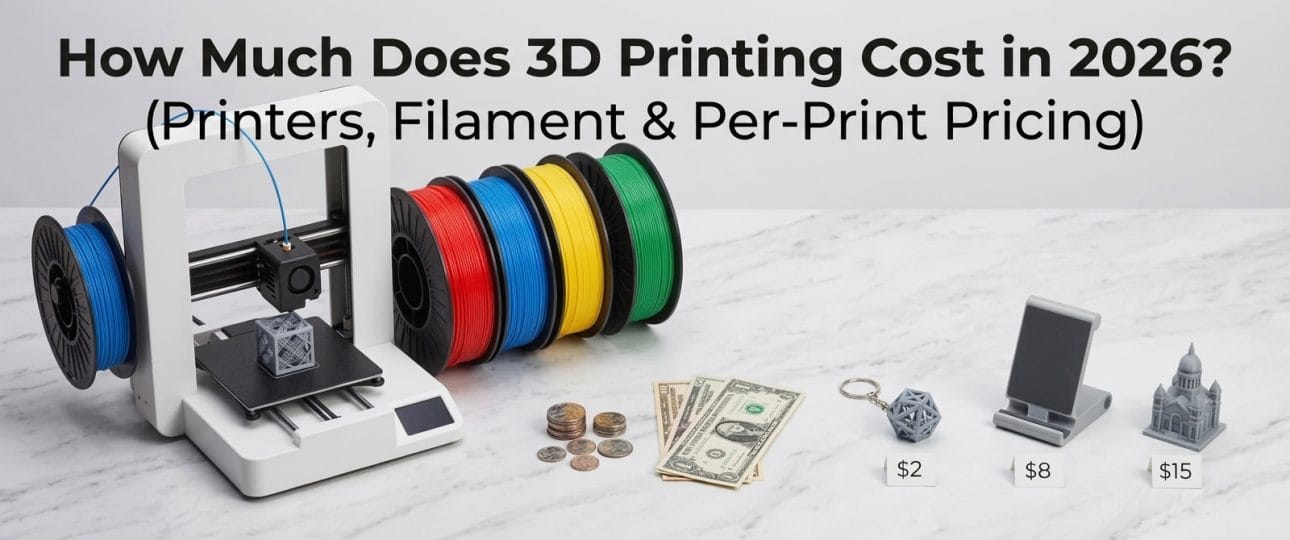
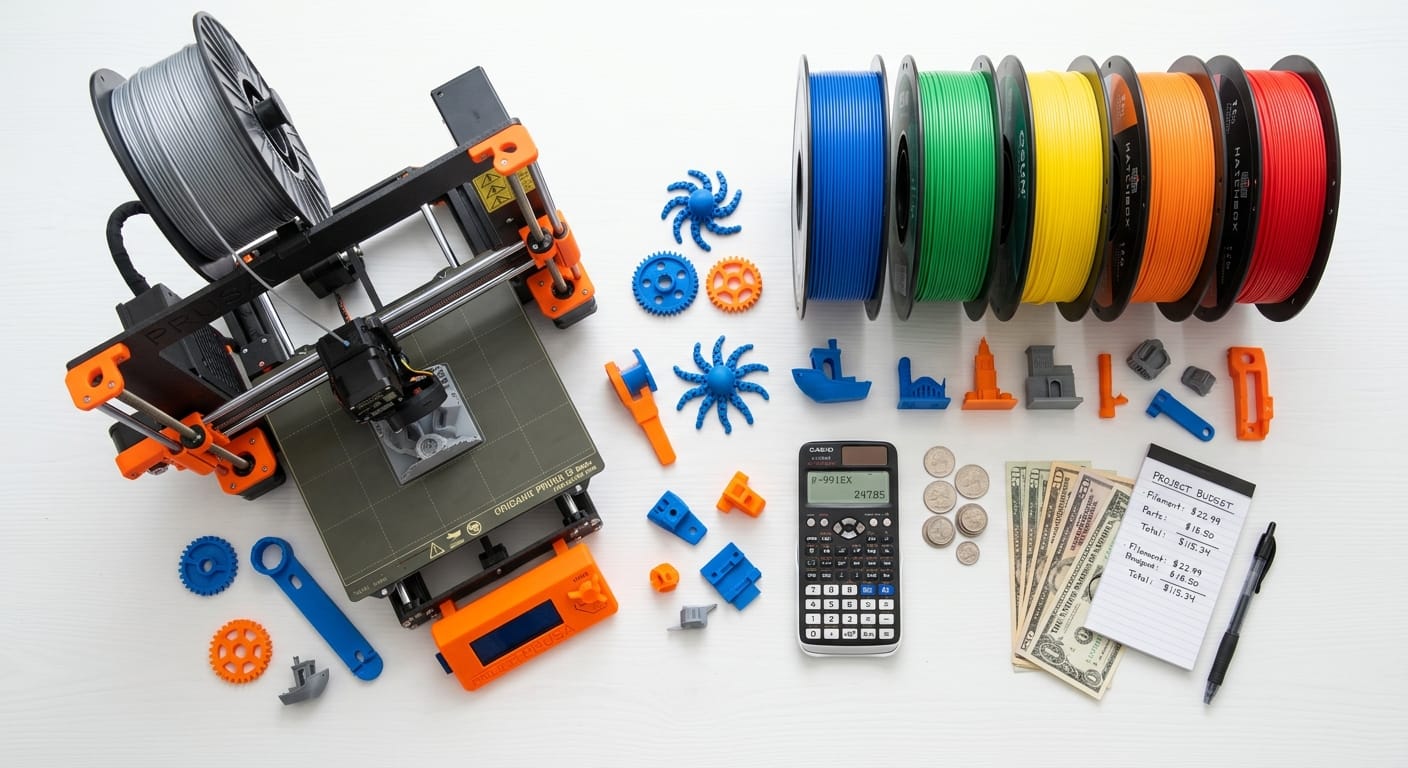
“How much does 3D printing cost?” is one of the first questions anyone asks before buying a printer — and the honest answer is: it depends heavily on what you’re printing and what machine you start with. Here’s a full, realistic breakdown.
The Upfront Cost: Buying a 3D Printer
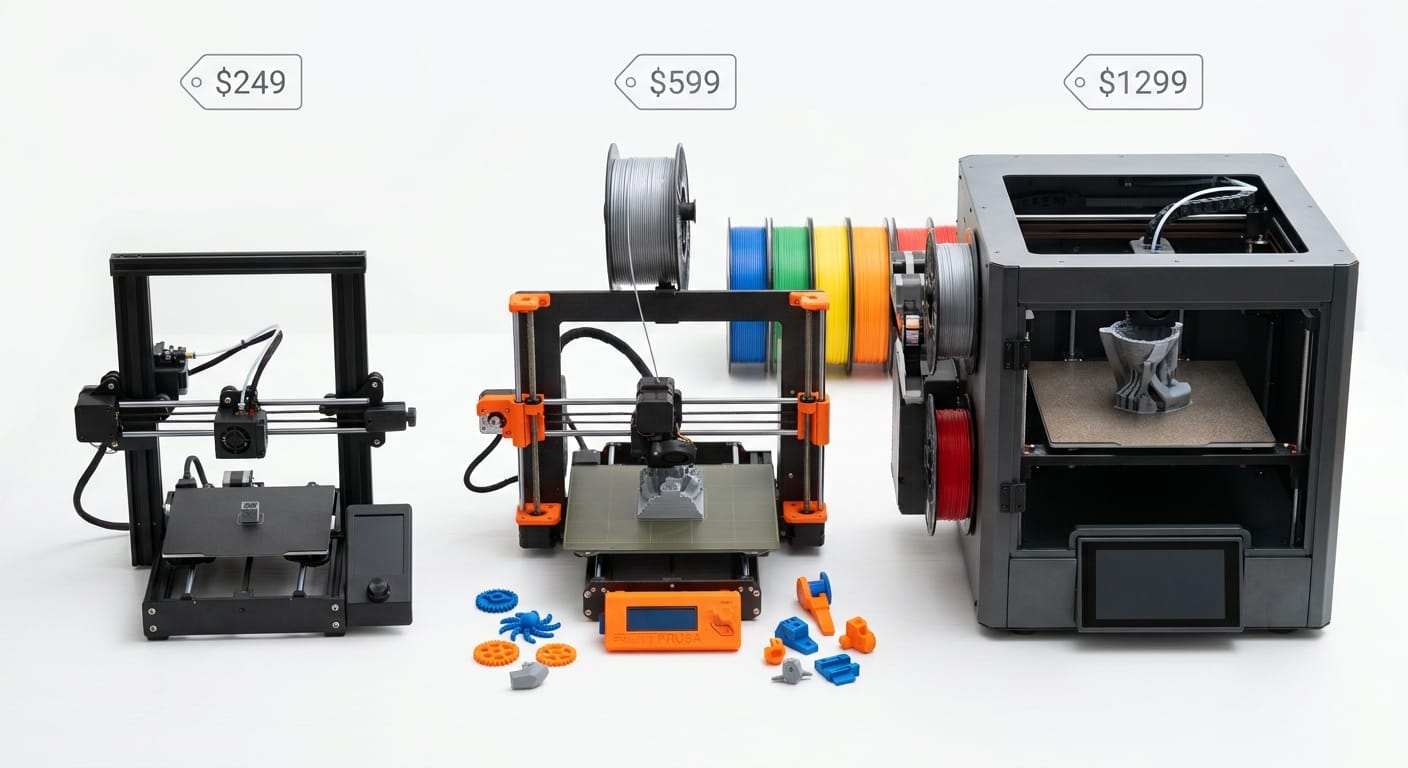
| Printer Tier | Price Range | What You Get |
|---|---|---|
| Budget/beginner FDM | $150–$300 | Small build volume, manual bed leveling, basic PLA/PETG printing |
| Mid-range FDM | $300–$700 | Auto bed leveling, larger build volume, multi-material options (AMS/MMU) |
| High-end FDM | $700–$1,500+ | Fastest speeds, enclosed chambers, advanced materials (ABS, nylon, carbon fiber blends) |
| Budget resin | $150–$300 | Small build plate, great for detailed miniatures |
| Mid-to-high resin | $300–$800 | Larger build plates, faster cure times, higher resolution |
For most beginners, a $200–$400 FDM printer is enough to get started reliably.
The Cost Per Print: What Filament Actually Costs
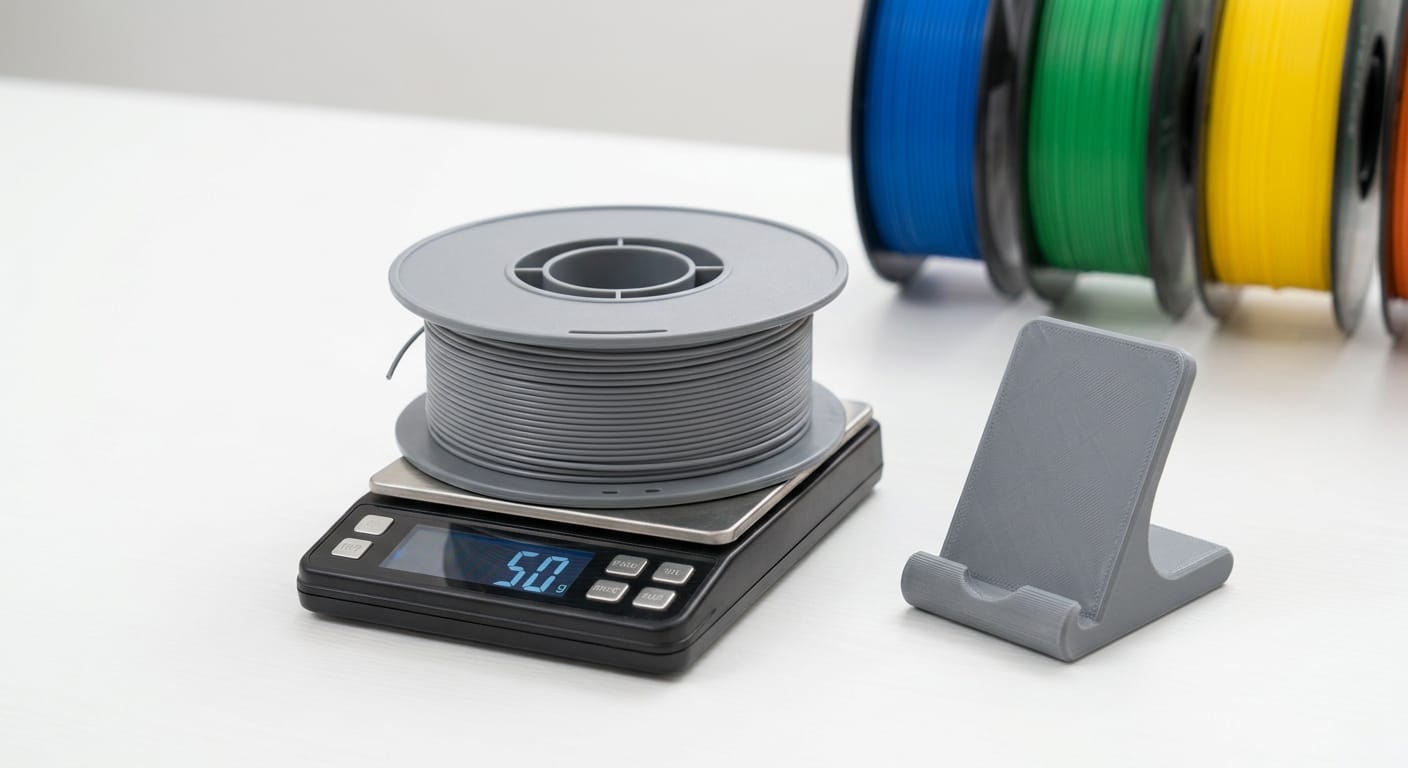
This is where how much to 3d print gets more specific. Filament typically costs $15–$30 per 1kg spool (PLA is usually cheapest, specialty filaments like nylon or carbon-fiber blends cost more).
A rough breakdown of material cost per print:
| Print Type | Approx. Filament Used | Approx. Material Cost |
|---|---|---|
| Small keychain or fidget toy | 5–15g | $0.10–$0.30 |
| Phone stand or small organizer | 30–80g | $0.60–$1.60 |
| Medium miniature/figurine | 10–40g | $0.20–$0.80 |
| Large decorative vase or planter | 150–400g | $3–$8 |
| Full-size functional part/bracket | 50–200g | $1–$4 |
Resin prints cost more per print — resin runs $25–$50 per liter, and detailed miniatures typically use $0.50–$2 worth of resin each, plus the cost of isopropyl alcohol for cleaning and UV curing.
Hidden Costs Beyond Filament
- Electricity: minimal — a typical FDM printer costs roughly $0.05–$0.20 per print in electricity depending on print time and local rates
- Build plate wear/replacement: occasional cost, every several hundred prints
- Nozzles: $5–$15 each, replaced periodically (more often if printing abrasive filaments)
- Post-processing supplies: sandpaper, primer, paint, glue (if finishing miniatures or models)
- Failed prints: budget for some — even experienced users get occasional failures that waste filament
How Much Are 3D Printers vs. Buying the Finished Item?
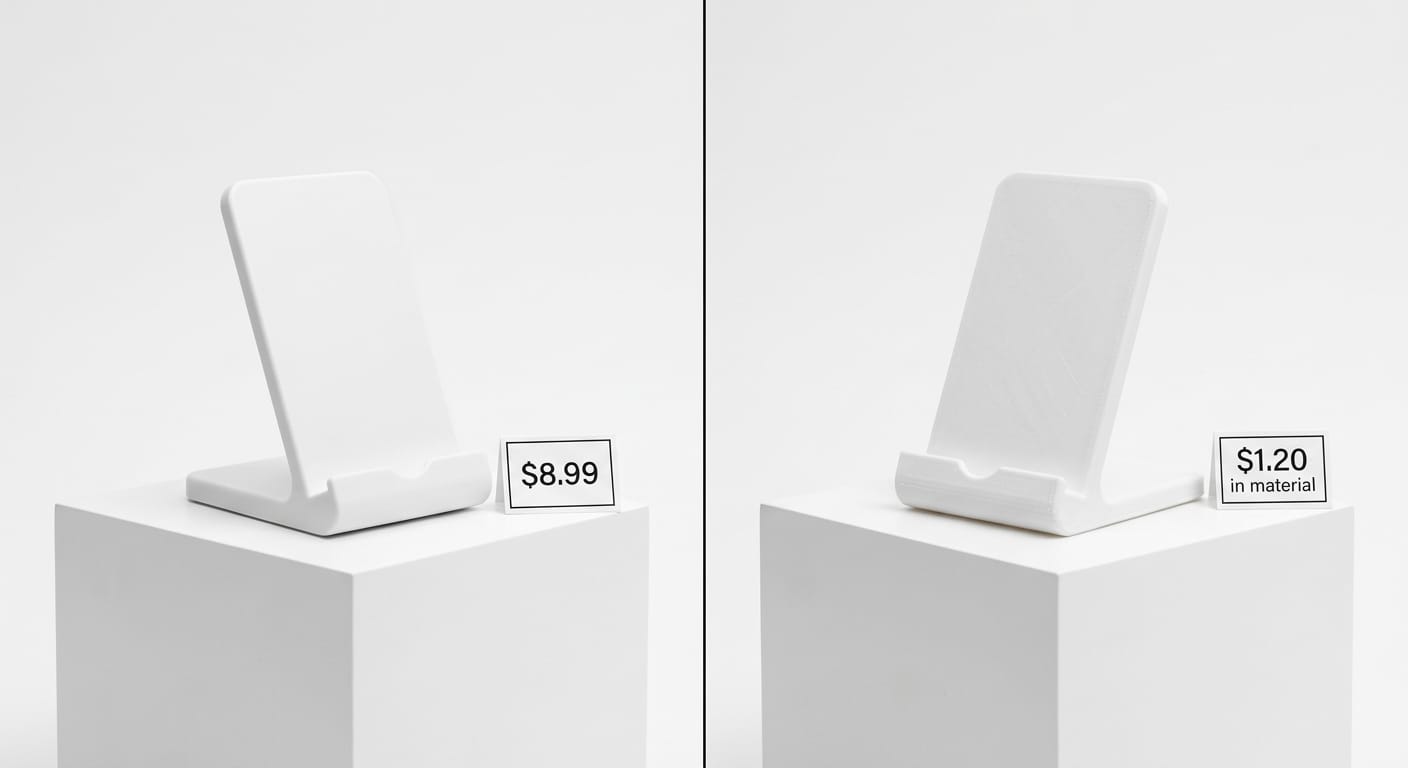
For a single one-off item, buying it pre-made is often cheaper once you factor in printer cost. The real value of owning a 3D printer shows up over time and volume:
- Printing dozens of small parts, gifts, or replacement pieces
- Access to custom, personalized designs you can’t buy anywhere
- Selling prints (craft fairs, Etsy, commissions) to offset costs
- One-off replacement parts that would otherwise mean buying a whole new product
What’s a “Typical” Print Actually Cost?
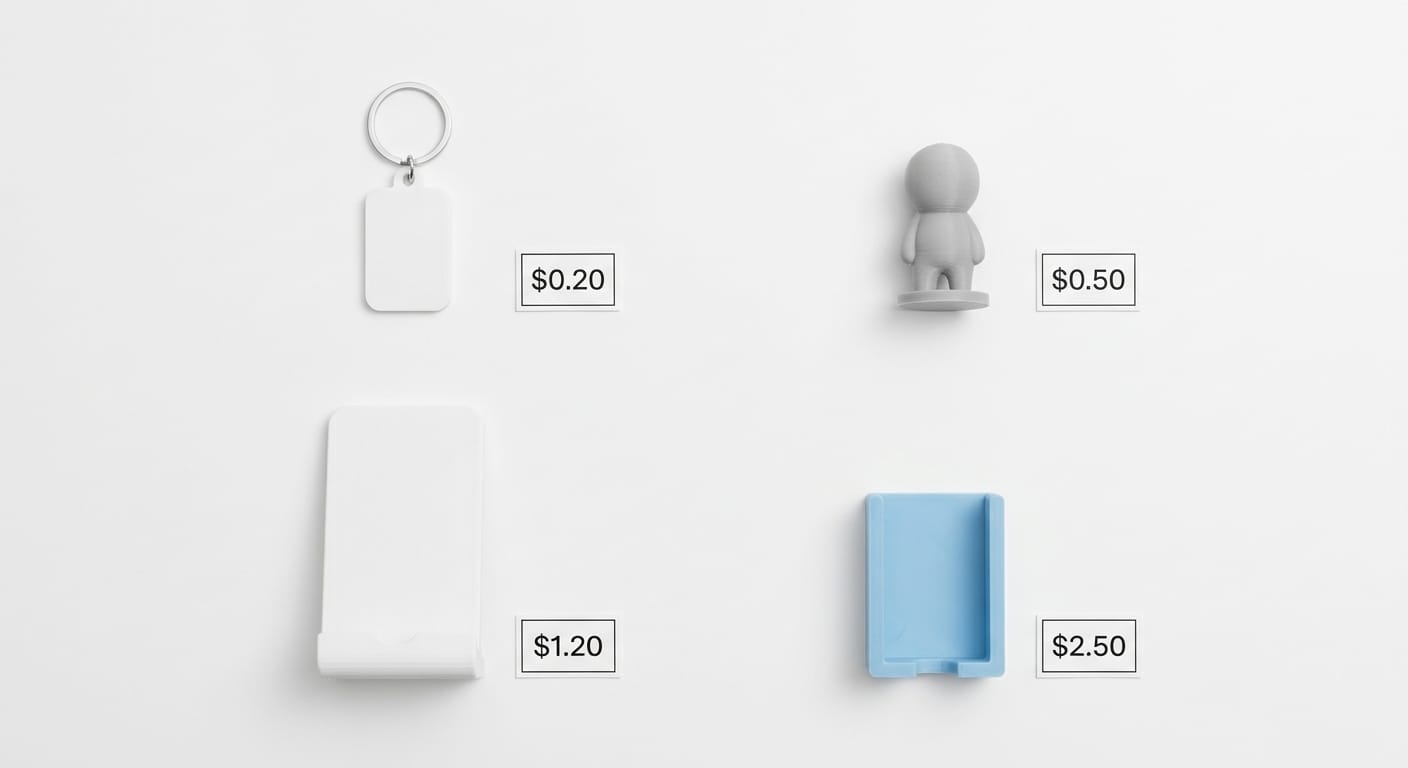
For most hobbyist prints — a keychain, small figurine, desk organizer, or miniature — you’re realistically looking at $0.20 to $3 in material cost, plus a few cents of electricity. The printer itself is the real investment; individual prints after that are inexpensive.
Final Thoughts
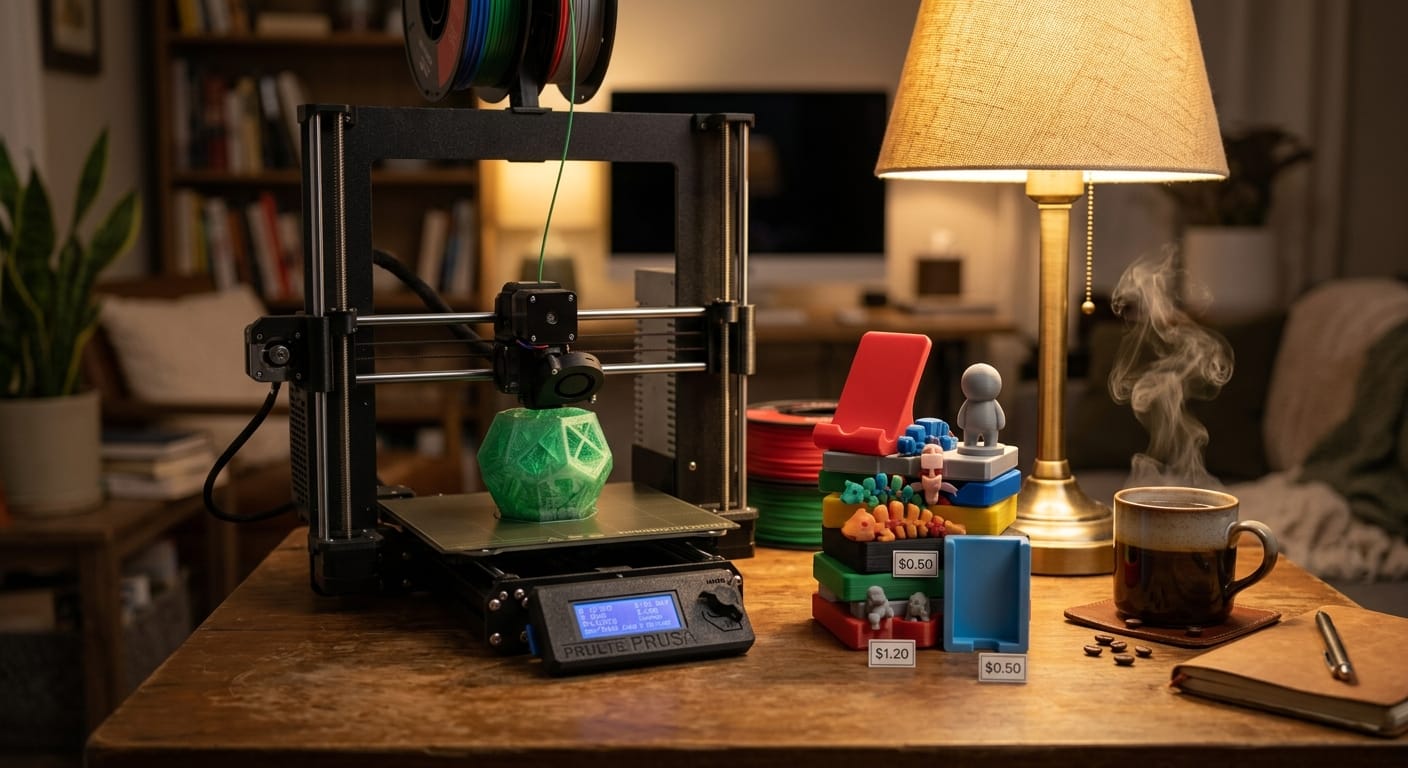
3D printing has a real upfront cost (the printer itself, typically $200–$700 for most hobbyists), but the cost per individual print is genuinely low — often under a dollar for small items. The best way to get value out of that upfront investment is having a steady stream of things worth printing, whether that’s functional household fixes, gifts, or detailed miniatures and STL files worth the material and time.
Browse ready-to-print STL files (no design work required) at STLSpecial.